
Properties of Jujube fruit خواص میوه عناب

درباره سایت
آخرین مطالب
امکانات وب
Bacne (or back acne) refers to whiteheads, blackheads and cysts on the back, which can occur in both men and women—though it’s more common in men. As with acne on your face, bacne is caused by hormonal changes; excess oil production and bacteria; excess dead skin cells that clog pores; and also excessive sweating and tight clothing.
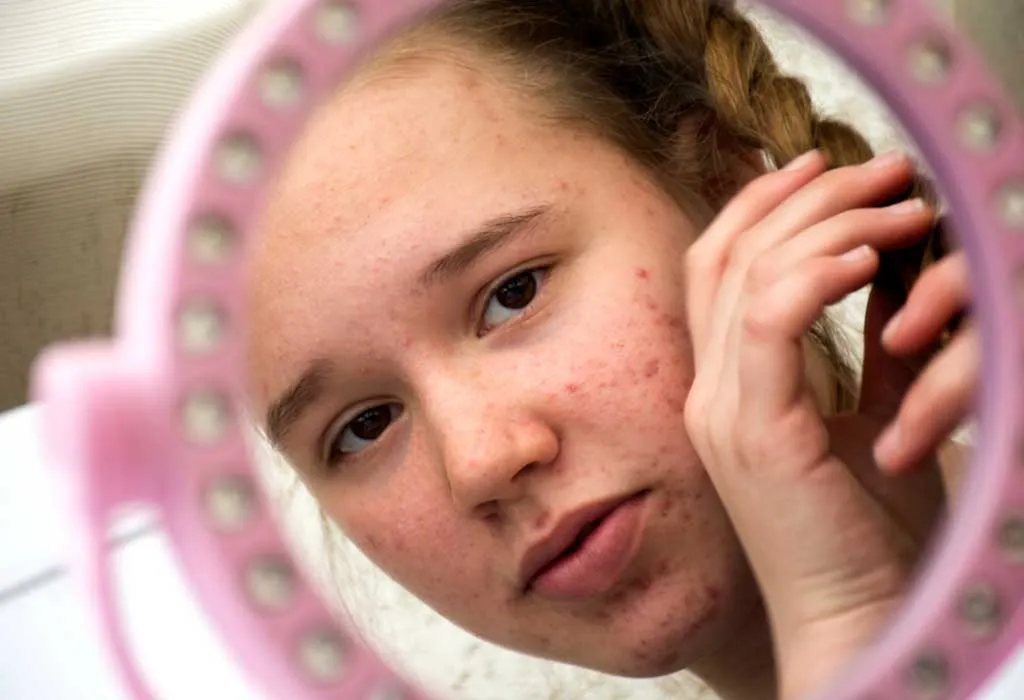
How can we get rid of bacne?
- Topical antibiotics: Wash your back daily with a salicylic-based body wash or gel that helps exfoliate dead skin and isn’t too drying (salicylic acid is a chemical exfoliator). You could also try a body wash or gel that contains benzoyl peroxide, which kills acne-causing bacteria.
- Avoid wearing tight workout clothing like spandex that can irritate the skin and lead to breakouts. Wear loose, breathable fabrics that are designed to whisk sweat away from your skin.
- Always shower right after exercising, or use portable salicylic or glycolic acid pads in case you’re unable to.
- Use a physical exfoliator or scrub that contains little exfoliating beads once or twice a week, or get prescription strength oral or topical antibiotics from your dermatologist.
- Always apply sunscreen. Choose an oil-free sunscreen with an SPF of 30 and apply to your back. Don’t use acne-fighting soaps and lotions, since they can leave your skin more vulnerable to sunburn.
Why Pimples Pop Up and How to Prevent and Get Rid of Them
Your face isn’t the only place where acne can appear. It can affect any body part that has oil-secreting glands or hair follicles, including your back, chest, and shoulders, according to the Mayo Clinic.
Back acne — sometimes referred to as “bacne” — can be particularly troublesome.
While facial acne affects most people at some point in life, some will also struggle with back acne and even chest acne. In fact, back acne affects more than half of people with acne, notes the NHS.
Your back, like your face, has numerous sebaceous glands that secrete sebum, an oily substance.
“Back acne is the result of an accumulation of dead skin cells and oil [sebum] within the pores in the skin, combined with an overgrowth of a common skin bacteria, Cutibacterium acnes, which triggers an inflammatory response,” says Kara Shah, MD, a dermatologist in Cinciati.
“Acne on the back and shoulders is commonly associated with sports activities that cause increased sweating and friction from athletic gear and clothing,” she says. A clogged follicle eventually breaks down and forms an acne lesion, according to the National Institute of Arthritis and Musculoskeletal and Skin Diseases.
What Are the Different Types of Back Acne You Need to Know?
Back acne treatment can be challenging, so it helps to understand the types of acne lesions that can occur on your back, which include:
- Whiteheads Also referred to as closed comedones, whiteheads develop when a plugged follicle stays closed and underneath your skin, forming a white bump.
- Blackheads When a plugged follicle located on the surface of your skin opens, it forms a blackhead, also referred to as an open comedone. The black-tip appearance of blackheads is due to a reaction between sebum and the air, not because dirt has filled your follicle.
- Papules Acne lesions that appear as small pink bumps on your skin, and are sometimes tender, are called papules. This type of acne doesn’t contain pus, and it forms when a clogged hair follicle becomes inflamed.
- Pustules Also called a pimple, a pustule is a white or yellow pus-filled papule with a reddened base. These lesions also result from inflammation in a clogged hair follicle. A buildup of white blood cells causes the pustule to fill with pus.
- Nodules This type of acne forms when bacteria also become trapped in a hair follicle. These lesions develop deep below the surface of your skin, where it hardens and forms a large, painful nodule. The deeper location of the lesion causes tissue damage, resulting in an inflammatory response.
- Cysts Cysts are larger, pus-filled acne lesions that also form when bacteria become trapped in a hair follicle. With cystic acne, the infection extends deeper into the skin, resulting in a painful lump that can cause a permanent scar.
What Are the Symptoms of Different Types of Acne?
Identifying the proper treatment first requires knowing what kind of blemishes you’re dealing with.Learn More
4 Steps You Can Take Toward Preventing Back Acne
You can’t always control whether you get back acne because the main factors that predispose one to “bacne” — hormonal fluctuations and genetics — are out of your control.
You can, however, take steps to reduce your chances of developing these lesions.
1. Avoid Certain Medications
Some drugs, including androgens (male hormones like testosterone) and lithium, are known to increase your chances of developing acne. If you take any of these medications, talk with your doctor about possible alternative treatments.
2. Limit Your Use of Oil-Based Skin-Care Products
Try not to use skin-care products with oil, including moisturizers and cosmetics, on your back. These can lead to back acne flare-ups. Also, the American Academy of Dermatology advises looking for products labeled noncomedogenic, meaning they are unlikely to clog pores.
3. Eliminate Pressure on Your Back
“Anything that results in increased sweating and friction on your back, such as backpacks, sports gear, and back braces, can cause back acne,” says Dr. Shah.
Shah recommends choosing a backpack that’s lightweight and fits properly to minimize friction and irritation.
If you wear sports equipment (like shoulder pads) that puts pressure on your back, don’t wear the item for longer than you need to, or wear a clean cotton T-shirt underneath to reduce prolonged pressure and friction.
4. Wear Clean Clothes
“Dirty clothes can harbor sweat, oil, and dirt, further irritating the skin and contributing to the development of acne,” notes Shah. “It’s always best to wear loose clothing during exercise and to remove sweaty clothing after a workout.”
Getting your sweat on is one of the best things you can do for your skin. Don’t let your pre- or post-workout routine sabotage your complexion!Learn More
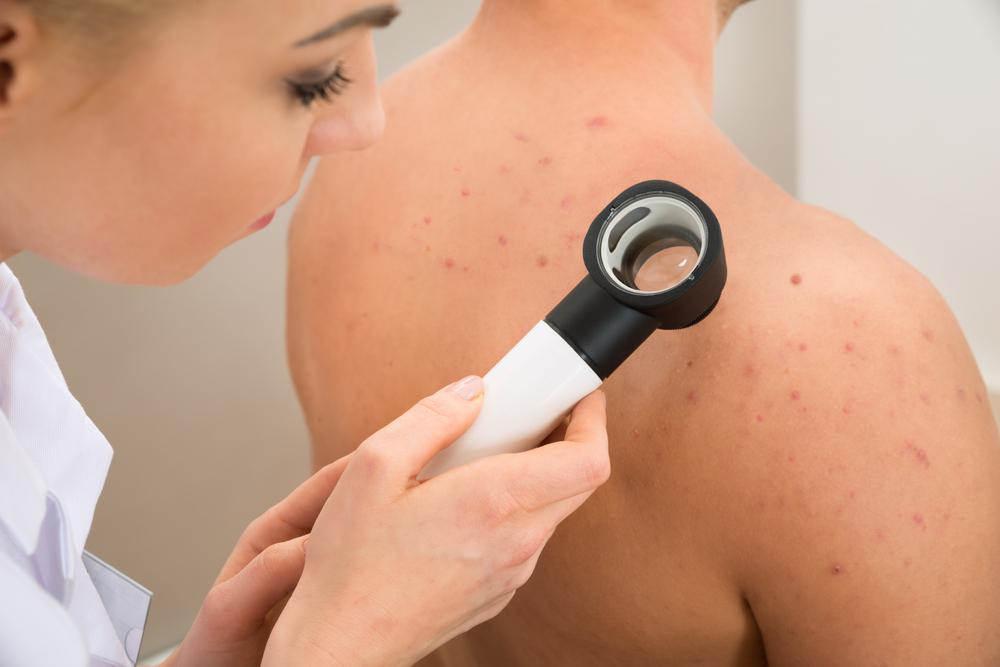
7 Science-Backed Tips for Treating Back Acne
So what are the best treatments for back acne? Follow these tips.
1. Use an Over-the-Counter Treatment
For treatment of mild back acne, over-the-counter acne creams and gels containing ingredients like benzoyl peroxide, resorcinol, salicylic acid, and sulfur can help get rid of blemishes and prevent new ones from popping up.
Of course, applying acne creams to your back will likely require assistance from someone. It might be easier to use a body wash with acne-fighting ingredients.
“Regular body washes aren’t strong enough to help with body acne,” says Yoram Harth, MD, a dermatologist and medical director of MDacne in San Francisco. “To have a real effect, you need a medicated body cleanser, preferably with ingredients like salicylic acid that can unclog your skin pores and kill acne bacteria.”
2. Regularly Wash Your Skin
For body acne treatment, choose body washes that say “noncomedogenic” or “oil-free” on the package to avoid clogging your pores.
Avoid antibacterial soaps, astringents, and abrasive scrubs that can make your acne worse. And be gentle when cleansing your skin. Harsh scrubs, loofas, and exfoliators can damage the protective layer of the skin and make body acne worse, says Dr. Harth.
3. Shower After Your Workout
Heat and humidity encourage bacterial growth, so shower immediately after a workout, suggests Harth. If you can’t shower immediately, use an oil-free cleansing wipe to remove as much sweat from your body as possible, and then change your clothes.
4. Don’t Squeeze or Pick Back Lesions
One bacne treatment that won’t work: picking or popping a pimple, which can worsen any occurrence of acne and damage your skin. “The skin on the body heals slower than the skin on the face, and frequent picking can lead to brown spots and scars,” says Harth.
5. Avoid Excessive Sun Exposure
The sun’s ultraviolet (UV) rays can darken acne, triggering scars on your back and body. Always wear sunscreen and reapply as directed. This not only improves acne, it can help protect your skin from sun damage and skin cancer.
6. Wash Your Sheets
Get into a habit of changing or washing your sheets once or twice a week, especially if you’re a back sleeper. This removes bacteria and dead skin cells from bedding, which can clog your pores and prolong back acne.
7. See a Board-Certified Dermatologist
If self-care measures don’t improve back acne, make an appointment with a dermatologist who is board-certified.
A skin specialist can evaluate your back, determine whether you have acne or another skin condition, and then prescribe a medication to control lesions, if necessary.
Treatment for back acne might include prescription creams, antibiotics, oral acne medication, or your doctor may suggest laser therapy, chemical peels, or steroid injections, depending on the severity of back acne.
A Final Word on Getting Help for Back Acne
Back acne is easier to hide than face acne, but this doesn’t mean you have to live with these lesions. The proper skin-care routine can help lessen breakouts on your back, resulting in clearer, healthier looking skin.
Reference:
- How to Get Rid of Bacne - Family Medical Practice (vietnammedicalpractice.com)
- Back Acne (‘Bacne’) 101: Types, Prevention, and Treatment (everydayhealth.com)
- 7 Teen Acne Treatment Dos and Don’ts (everydayhealth.com)
برچسب:
نویسنده: کیانوش کریمی